Filter or softener: which one solves your problem
A filter removes particles, chlorine taste or odor, depending on the media. A softener swaps hardness minerals for sodium or potassium and prevents scale. They are different tools, and many homes use both.
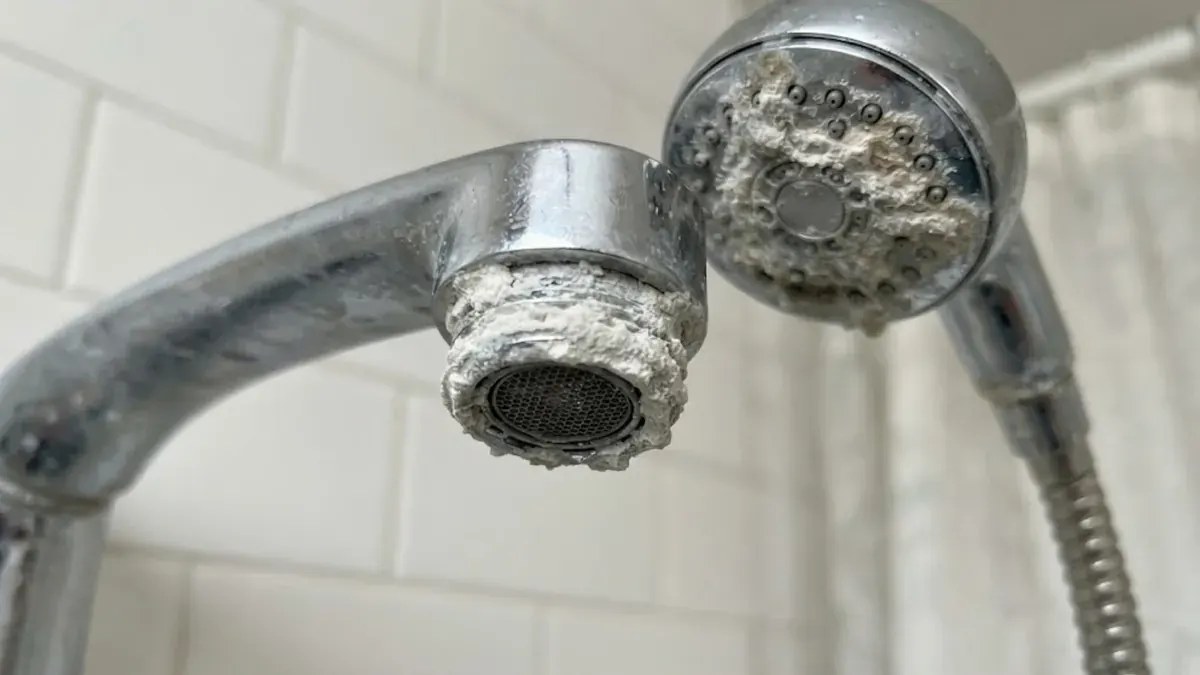
If your complaints are spots on glass, scale on fixtures and a film in the shower, you want a softener. If your complaint is taste or sediment, you want a filter.
| System | What it solves | Upkeep |
|---|---|---|
| Sediment filter. | Sand, rust and particles. | Replace cartridge on schedule. |
| Carbon filter. | Taste and odor from chlorine. | Replace media on schedule. |
| Salt based softener. | Scale and spotting. | Refill salt, service valve. |
| Reverse osmosis at one tap. | Drinking and cooking water. | Replace membranes and filters. |
What sets the price
The main drivers are the type of system, the capacity needed for your household, the plumbing changes needed for a bypass and drain, and whether an electrical outlet is nearby. Larger capacity units cost more. Homes with difficult access to the main line cost more to install.
Ongoing costs matter too. Softeners use salt, filters need new cartridges and some systems need annual service. Ask for the annual cost, not only the install price.
Questions about your own plumbing?
Call the 24/7 line and a dispatcher will help you decide the next step.
What is in Cypress water
Golden State Water Company. The West Orange County system blends Orange County groundwater basin water with imported water, so mineral levels vary. According to the 2025 data reported in the utility's 2026 water quality report, hardness ranged from about 63 to 369 mg/L, with an average near 237 mg/L, or 13.8 grains per gallon.
Hard water is safe to drink, but it leaves scale on heaters and fixtures. For a baseline, a hardness test at your tap is a fast way to confirm where you stand. Our softener and filtration page explains the options, and homeowners in Stanton and Los Alamitos, served by the same utility, see similar conditions.
Protecting appliances is part of the math
Scale shortens the life of water heaters and dishwashers. A tank heater in hard water can lose capacity as sediment builds on the bottom. The savings from fewer repairs and longer appliance life offset part of a softener's cost over time. See water heater repair for how scale shows up.
Do not buy based on a sales pitch at the door. A written hardness reading and a clear explanation of what the system will and will not do are the right basis for a decision.
Sizing a system for your household
Capacity is based on household size and hardness. A larger family or harder water uses up a softener's capacity faster, so it regenerates more often. An undersized system regenerates too often, wasting salt and water. An oversized one can leave resin sitting idle.
The installer should ask about the number of people, the number of bathrooms and your measured hardness. If they do not ask, ask them why.
A note on drinking water
A water softener adds a small amount of sodium or potassium to the water. People who monitor sodium intake can leave one tap unsoftened or add a reverse osmosis unit at the kitchen sink. For health questions, talk with your doctor and not a salesperson.
Maintenance you should expect
Sediment cartridges are replaced every few months to a year, depending on the water. Carbon media lasts longer but loses effect over time. Softeners need salt and an occasional resin check, and a control valve may need service in the later years. A calendar reminder on your phone makes it routine.
If you ignore maintenance, performance drops. A clogged sediment filter lowers pressure. A spent carbon bed lets taste and odor through. A softener that runs out of salt returns hard water to the house.
Signs a system is not working
Return of white spots, a drop in pressure, a salty taste, a flashing control or a wet floor near the unit all call for attention. Check the salt level first, then the bypass valve position. If the symptom persists, call for service before scale returns to the heater.
Keep the manual and the installer contact information near the unit, so any technician can service it quickly.
Questions to ask before you buy
- What is my measured hardness?
- What does the system remove and what does it not?
- How much salt or how many cartridges per year?
- Where does the drain connect?
- Who services it if it fails?
Questions homeowners ask
No. Softening needs ion exchange. A filter handles particles or taste.
The utility reported an average near 237 mg/L, which is very hard on the USGS scale.
Rules vary by city. Check with the building department, or ask us to confirm before installing.
Typically every month or two, depending on household size and hardness.
Most fit in a garage or side yard near the main line. A technician checks the space.